
The Importance of Caring for Your Trees: A Guide to Healthy Landscapes
The Importance of Caring for Your Trees: A Guide to Healthy Landscapes
Trees are more than just a beautiful addition to your property. They provide shade, improve air quality, increase property value, and play a vital role in the ecosystem. However, to enjoy these benefits, trees need proper care and maintenance. Neglecting their health can lead to safety hazards, diminished beauty, and potential environmental issues. Let’s explore why caring for your trees is essential and how you can ensure their longevity and vitality.
Why Tree Care Matters
1. Enhances Property Value
Healthy, well-maintained trees significantly boost the aesthetic appeal and value of your property. Studies show that properties with mature trees can see an increase in value by as much as 20%. Regular pruning, mulching, and watering keep trees looking their best, enhancing your curb appeal and making your home more attractive to potential buyers.
2. Promotes Environmental Benefits
Trees play a critical role in reducing carbon dioxide levels and improving air quality. They act as natural air filters, absorbing pollutants and releasing oxygen. Caring for your trees ensures they continue to thrive and provide these essential environmental benefits, including reducing the urban heat island effect and providing habitats for wildlife.
3. Prevents Safety Hazards
Neglected trees can pose serious safety risks. Dead or damaged branches are at risk of falling, potentially causing injuries or property damage. Regular inspections and pruning help identify and address weak branches, diseased areas, or structural issues before they become hazards.
4. Supports Tree Longevity
Proper tree care promotes longevity, allowing your trees to thrive for decades. Regular maintenance can prevent diseases, pest infestations, and nutrient deficiencies that compromise a tree’s health. Healthy trees are better equipped to withstand storms, droughts, and other environmental stresses.
5. Improves Energy Efficiency
Strategically placed trees provide shade in the summer and act as windbreaks in the winter, reducing energy consumption for heating and cooling. Ensuring your trees remain healthy and well-maintained maximizes these energy-saving benefits.
Key Tree Care Practices
1. Regular Pruning
Pruning removes dead, diseased, or overgrown branches, promoting healthy growth and preventing potential hazards. It also enhances the tree’s structure, improving its appearance and resilience.
2. Mulching
Applying mulch around the base of your trees helps retain moisture, regulate soil temperature, and reduce weed growth. Mulching also improves soil quality over time, providing essential nutrients for your trees.
3. Watering
Trees need consistent watering, especially during their first few years or during droughts. Deep, infrequent watering encourages root growth and prevents overwatering, which can lead to root rot.
4. Soil Testing and Fertilization
Healthy soil is the foundation of a healthy tree. Regular soil testing ensures your trees receive the nutrients they need. Fertilizing appropriately can address deficiencies and promote robust growth.
5. Disease and Pest Management
Monitor your trees for signs of disease or pest infestations, such as discolored leaves, holes in the bark, or unusual growth patterns. Early detection and treatment are crucial to preventing widespread damage.
6. Professional Inspections
Hiring a certified arborist for routine inspections ensures your trees receive expert care. Arborists can identify issues you may overlook and provide specialized treatments to maintain tree health.
Common Tree Care Mistakes to Avoid
Over-pruning: Removing too much foliage weakens the tree and makes it vulnerable to diseases.
Improper Mulching: Piling mulch against the tree trunk can lead to rot and pest infestations. Use the “mulch donut” method instead.
Neglecting Young Trees: Young trees need extra care to establish strong roots and grow properly.
Ignoring Warning Signs: Discolored leaves, brittle branches, or fungal growth often indicate underlying health issues.
Final Thoughts
Caring for your trees is an investment in your property, community, and the environment. Healthy trees contribute to a vibrant landscape, provide essential ecological benefits, and create a safer and more enjoyable outdoor space. By adopting regular tree care practices and seeking professional guidance when needed, you can ensure your trees remain a valuable asset for years to come.
Make tree care a priority today—your trees, and future generations, will thank you.

The Health Benefits of Being Around Trees
The Health Benefits of Being Around Trees
In a world increasingly dominated by concrete jungles, the allure of trees and natural spaces remains as potent as ever. Trees are not just visually appealing; they offer a plethora of health benefits that can significantly enhance our physical, mental, and emotional well-being. Let’s explore why spending time around trees is not just a pleasant pastime but a vital component of a healthy lifestyle.
1. Boosting Mental Health
Spending time around trees has been shown to reduce stress, anxiety, and depression. Research highlights that green spaces can lower cortisol levels—the body’s primary stress hormone. The Japanese practice of shinrin-yoku or "forest bathing" involves immersing oneself in a forest environment, and studies have demonstrated its ability to improve mood and reduce feelings of fatigue and tension.
2. Improving Air Quality
Trees act as natural air purifiers, absorbing pollutants like carbon monoxide, nitrogen dioxide, and sulfur dioxide while releasing oxygen. By simply spending time in areas with dense tree cover, you can breathe cleaner air, which benefits respiratory health and reduces the risk of lung diseases.
3. Encouraging Physical Activity
Tree-filled environments like parks and forests naturally encourage physical activities such as walking, hiking, and cycling. These activities improve cardiovascular health, strengthen muscles, and contribute to better overall fitness. The serene atmosphere created by trees often motivates people to stay active for longer periods.
4. Enhancing Immune Function
Exposure to trees and forest environments has been linked to improved immune system function. Phytoncides, natural compounds emitted by trees, have been found to enhance the activity of natural killer (NK) cells in the body, which play a critical role in fighting off infections and cancer.
5. Lowering Blood Pressure
Studies suggest that spending time in green spaces can lead to significant reductions in blood pressure. The calming effect of trees and nature reduces stress, which in turn helps regulate blood pressure levels. This natural therapy can be particularly beneficial for individuals with hypertension.
6. Enhancing Cognitive Function
Being around trees can improve concentration, memory, and overall cognitive function. Children with Attention Deficit Hyperactivity Disorder (ADHD) have shown improved focus after spending time in green environments. For adults, a stroll in the park can enhance creativity and problem-solving abilities.
7. Promoting Emotional Well-being
The presence of trees fosters a sense of connection and tranquility. The sounds of rustling leaves, the sight of sunlight filtering through branches, and the earthy scents of a forest can evoke feelings of happiness and reduce feelings of loneliness and isolation.
8. Encouraging Social Interaction
Tree-filled spaces like community parks and gardens act as social hubs where people gather, interact, and build relationships. Such interactions are crucial for mental health and can lead to a greater sense of community and belonging.
9. Regulating Temperature and Providing Shade
Trees play a critical role in moderating urban heat. By providing shade and cooling the air through transpiration, trees help reduce heat-related illnesses and create more comfortable outdoor environments. This is particularly important in cities where concrete and asphalt contribute to the "urban heat island" effect.
10. Fostering a Connection to Nature
In an age of digital distractions, being around trees can help us reconnect with the natural world. This connection fosters mindfulness and gratitude, reminding us of our place within the larger ecosystem and encouraging more sustainable living practices.
Final Thoughts
The health benefits of being around trees are undeniable and multifaceted. From improving physical health to enhancing mental and emotional well-being, trees are a vital resource for a healthier and happier life. As urbanization continues to grow, it is crucial to prioritize the preservation and creation of green spaces. So, the next time you’re feeling overwhelmed or unwell, consider taking a walk among the trees. Your mind and body will thank you.
All About the Majestic Live Oaks in New Orleans
All About the Majestic Live Oaks in New Orleans!
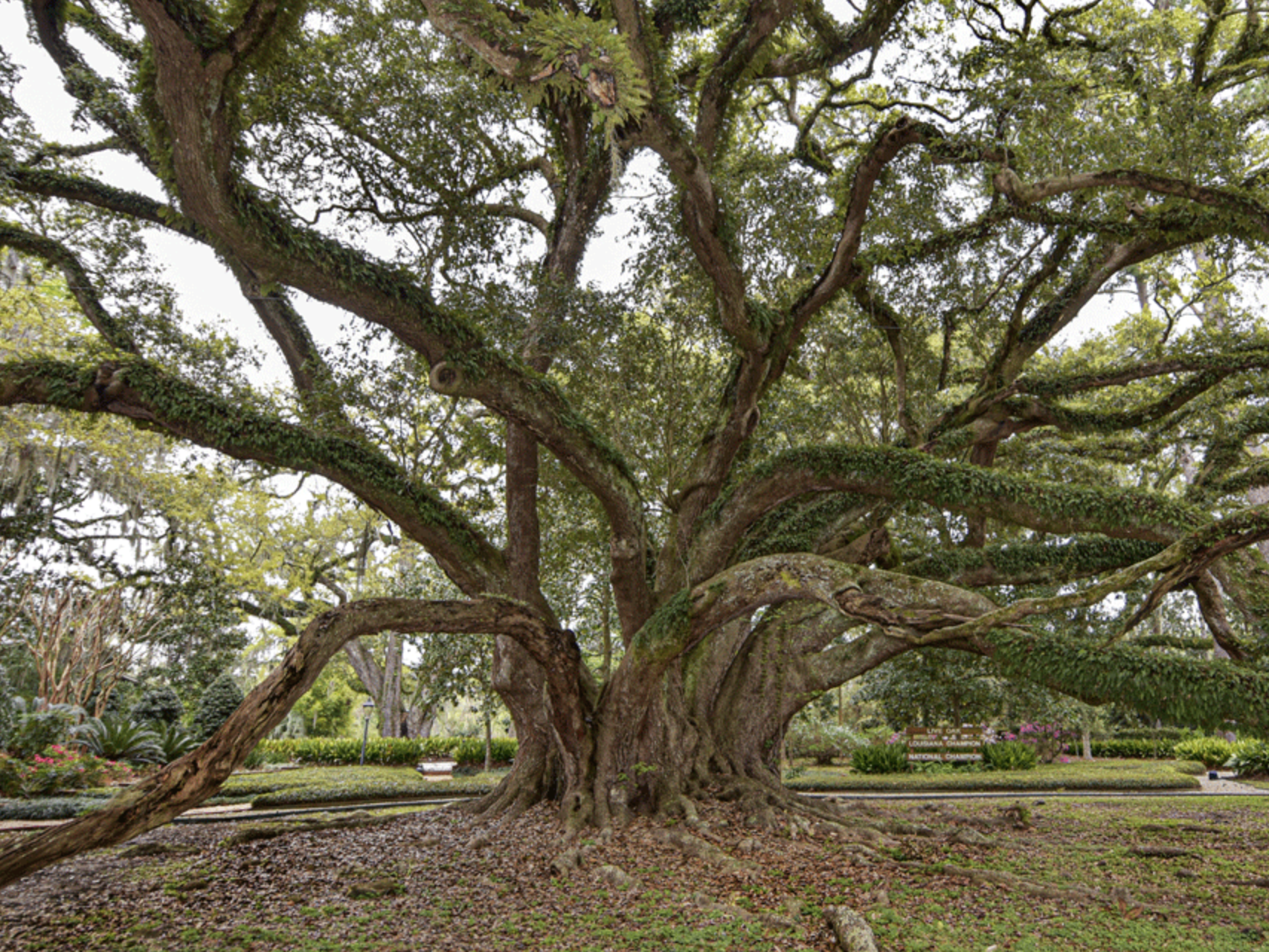
The Majestic Live Oaks of New Orleans: Icons of Beauty, History, and Resilience
When you think of New Orleans, images of vibrant French Quarter streets, jazz music, and delicious beignets likely come to mind. But among the most iconic features of this unique city are the stunning live oak trees. With their sweeping canopies and centuries-old presence, these majestic trees are not just part of the landscape—they are a living testament to the resilience and spirit of New Orleans.
In this blog, we'll explore the significance of live oaks in New Orleans, their distinctive features, and why they are so much more than just trees—they’re true symbols of the city’s past, present, and future.
What Makes Live Oaks Unique?
The Southern Live Oak (Quercus virginiana) is a species that thrives in the humid, subtropical climate of the Gulf Coast, making it perfectly suited to New Orleans’ environment. Characterized by their broad, evergreen leaves, live oaks stand out for their immense size, dense canopy, and slow growth. These trees can live for centuries, and in some cases, may reach ages of 500 years or more.
Here’s what makes live oaks so special:
Evergreen Foliage: Unlike many deciduous oaks, live oaks retain their leaves throughout the winter, offering year-round shade and beauty. Their leathery, dark green leaves contrast beautifully with the pale bark.
Massive Canopies: Live oaks are known for their sprawling, low-to-the-ground branches, often draped with Spanish moss. Their canopy can spread 50 feet or more, creating an almost magical atmosphere underneath.
Resilience: Live oaks are tough trees. Their deep root systems make them highly resistant to wind, which is why they’ve survived through New Orleans’ many hurricanes and storms. Their ability to thrive through extreme conditions makes them an enduring symbol of strength.
Slow Growth: These trees grow slowly, reaching full maturity only after many decades. But with patience comes grandeur—live oaks can reach heights of 40-80 feet with trunks up to 10 feet in diameter.
Historical Significance of Live Oaks in New Orleans
New Orleans has long been a city rooted in its deep history, and the live oak plays an essential part in that story. These trees have witnessed the rise and fall of empires, the flow of cultures, and the forging of the city’s unique identity.
Cultural and Spiritual Importance: Live oaks were central to the indigenous tribes of the region, such as the Choctaw, who revered the oak for its strength and longevity. They also played roles in ceremonies and as sacred gathering places.
Spanish and French Influence: During the colonial period, both the Spanish and French settlers were drawn to the grandeur of the live oaks. These trees became emblematic of the city's elegance and were frequently planted along the grand boulevards that would later define New Orleans’ streetscapes.
The Oak of the French Quarter: One of the most famous live oaks in New Orleans is located in the French Quarter. The Jackson Square Oak, standing proudly at the edge of Jackson Square, has witnessed the many shifts in New Orleans’ history. While no exact date of planting is known, it is believed that it may have been one of the trees planted when the city was founded in the 18th century.
Live Oaks in the Garden District: A New Orleans Icon
One of the most picturesque areas in New Orleans, the Garden District, is home to some of the oldest and most beautiful live oaks in the city. Lining the streets of this historic neighborhood, these grand trees are paired with the stately antebellum mansions that define the area.
The Streets of Magnolia: On streets like Magazine Street and St. Charles Avenue, live oaks provide a majestic canopy, creating a shaded, almost surreal environment for pedestrians and residents alike. The moss that drapes from their limbs adds a sense of mystery and beauty, drawing photographers and nature lovers from around the world.
St. Charles Avenue’s Oak Canopy: Perhaps the most iconic place to witness the grandeur of live oaks in New Orleans is along St. Charles Avenue, where these trees have long been intertwined with the culture of Mardi Gras. The trees create a breathtaking archway, particularly during the Mardi Gras season when parades roll through, and the oaks seem to hold the celebrations in their embrace.
Live Oaks and the Hurricane Legacy
New Orleans is no stranger to hurricanes, but despite the often-devastating storms that sweep through the region, the live oaks have proven remarkably resilient. Their thick trunks, wide canopies, and deep root systems help them stand tall, even when the winds are fierce.
However, this resilience doesn't make the trees immune to the ravages of time and storms. The aftermath of Hurricane Katrina in 2005 was a poignant reminder of just how vulnerable even the oldest, strongest oaks can be. Many live oaks were uprooted or damaged, but New Orleans rallied to protect these cherished trees. In the years following, restoration projects focused on preserving and replanting oaks across the city, ensuring that these historic trees would continue to stand as symbols of New Orleans' resilience.
The Role of Live Oaks in the City’s Ecosystem
Beyond their beauty and historical significance, live oaks play a crucial ecological role in the city’s ecosystem.
Providing Shelter and Food: The sprawling branches of live oaks serve as a habitat for a wide range of wildlife, including birds, squirrels, and insects. Their acorns are an important food source for local fauna, while the Spanish moss hanging from their limbs creates a micro-ecosystem of its own, home to birds and epiphytic plants.
Air Quality and Shade: Like many trees, live oaks help improve air quality by absorbing carbon dioxide and releasing oxygen. Their dense canopy also provides much-needed shade in a city known for its hot, humid summers. The shade of a live oak can dramatically lower temperatures beneath it, offering relief for pedestrians, cyclists, and residents.
Caring for Live Oaks in New Orleans
If you’re lucky enough to have a live oak in your yard or neighborhood, it's important to care for it to ensure it remains healthy for generations to come. Here are a few tips for maintaining a live oak:
Pruning: Live oaks require periodic pruning to remove dead or damaged branches. However, because of their slow growth, it’s important not to over-prune. Always work with an arborist familiar with the species to avoid causing damage.
Watering: Though live oaks are drought-tolerant, they do require water during particularly dry spells. Deep watering around the tree’s base is the most effective way to hydrate it.
Mulching: Adding mulch around the base of the tree helps retain moisture, suppress weeds, and regulate soil temperature.
Avoiding Compaction: Compaction of the soil around the tree’s root zone can hinder root growth. Avoid heavy foot traffic or construction near the base of the tree.
Conclusion: The Living Legacy of Live Oaks
The live oaks of New Orleans are far more than just trees—they are living monuments to the city’s history, culture, and resilience. Their majestic, sweeping branches and deeply rooted presence are a reminder of the strength of the people and the place they call home. Whether you’re strolling through the Garden District, attending a Mardi Gras parade along St. Charles Avenue, or simply enjoying the shade of a grand oak in your neighborhood, these trees offer a sense of continuity, beauty, and connection to the past.
In New Orleans, the live oak is not just a part of the landscape; it’s woven into the very fabric of the city itself, enduring through storms, seasons, and centuries as a symbol of the soul of the Crescent City.
When to Prune My Trees?
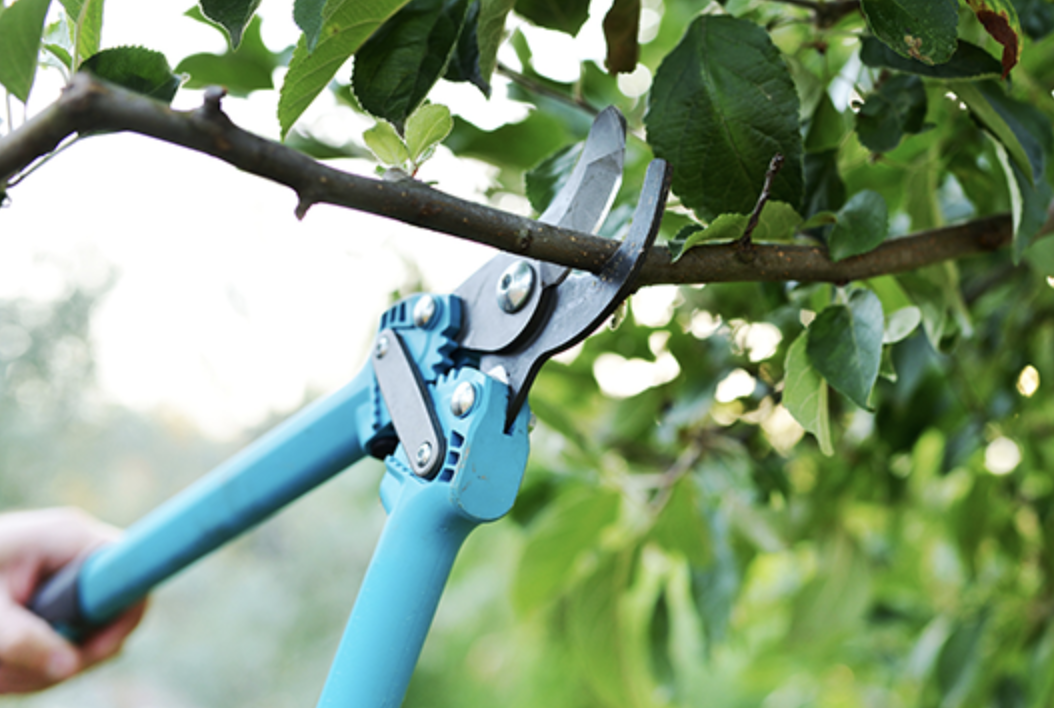
When is the best time to prune trees? Timing matters when it comes to maintaining healthy growth.
The Best Time to Prune Trees: A Guide to Healthy Growth
Pruning is one of the most important tasks for maintaining healthy, attractive trees. However, knowing when to prune is just as important as how to prune. Pruning at the wrong time can stress your tree, invite disease, or even cause permanent damage. To help you get the best results, here’s everything you need to know about when to prune trees.
Why Pruning Matters
Pruning encourages healthy growth, improves the structure of the tree, and helps remove dead or diseased wood. It can also improve air circulation and light penetration, which is vital for a tree’s overall health. In addition, pruning enhances the tree’s appearance, keeps it safe from hazards, and can even help increase fruit production for fruit-bearing trees.
However, timing is key. Pruning at the wrong time can be harmful to your tree. So, let’s dive into when you should take the shears to your trees.
Best Time to Prune: General Guidelines
Dormant Season (Late Winter to Early Spring)
The best time to prune most trees is during their dormant season—typically late winter to early spring, before new growth starts. Pruning during this time has several advantages:Reduced Stress: Trees are not actively growing, so pruning won’t interrupt their energy reserves.
Better Healing: Cuts heal faster during dormancy, minimizing the risk of disease or pest infestations.
Clearer Structure: Without the leaves, you can clearly see the tree’s structure and identify dead, damaged, or crossing branches.
For most deciduous trees (those that lose their leaves in the fall), late winter or early spring is ideal. This is usually sometime between January and March, depending on your local climate.
After Flowering (For Flowering Trees)
Flowering trees, such as lilacs, dogwoods, and magnolias, should be pruned after they’ve finished blooming. These trees set buds for the following year shortly after they flower. Pruning them too early can remove those buds and reduce next season’s blooms.Timing: Prune flowering trees in late spring or early summer, right after their flowers fade.
Summer Pruning (For Specific Reasons)
Summer pruning is typically done to control the size of a tree or to remove specific problem branches. This is especially helpful for fruit trees, which benefit from reduced overcrowding and better airflow during the growing season. Additionally, summer pruning helps prevent the spread of certain diseases that may be more active during the wet spring months.Timing: Prune during the summer, but avoid pruning too late in the season (e.g., late summer or fall), as it can encourage new growth that will be vulnerable to frost.
Fall Pruning (Not Recommended)
While fall pruning might seem like a convenient option, it’s generally not advised for most trees. Here’s why:Susceptibility to Disease: Trees pruned in the fall may be more prone to fungal infections or other diseases, as the weather is often damp and cool.
New Growth: Pruning in fall can stimulate new growth that won’t have time to harden off before the first frost, which can damage the tree.
For most trees, it’s best to wait until winter or early spring for pruning.
Exceptions to the Rule
While most trees benefit from pruning during the dormant season, there are a few exceptions:
Evergreen Trees
Evergreen trees, like pines and spruces, can often be pruned in late spring or early summer, especially if you're trimming for shape or size. Avoid heavy pruning in the fall, as new growth may not harden before winter.Fruit Trees
Fruit trees, especially apple and pear, generally benefit from late winter or early spring pruning to encourage strong growth and fruit production. Summer pruning may also be done to remove water sprouts (vigorous, vertical shoots that don’t bear fruit).Maples and Birches
These trees are best pruned in late winter or early spring before the sap begins to flow. If pruned during late spring or summer, these trees can “bleed” sap, which is messy but generally harmless. However, this can create an attractive feeding ground for insects, so it’s better to avoid pruning in late spring and summer.
How to Prune Properly
No matter when you prune, it’s essential to do it correctly:
Use Sharp Tools: Always use sharp, clean pruning shears, loppers, or a saw to make clean cuts. Ragged cuts are more prone to disease.
Make Proper Cuts: Cut just above a bud or branch collar (the swollen area where the branch meets the trunk). Avoid leaving stubs, as they can become entry points for pests and diseases.
Don’t Over-Prune: Never remove more than 25-30% of a tree’s canopy in one year. Over-pruning stresses the tree and can cause it to grow weak, spindly branches.
Remove Dead or Damaged Wood First: Always start by removing dead, diseased, or damaged branches, as they can be a breeding ground for pathogens.
Signs Your Tree Needs Pruning
Even outside of seasonal pruning, there are certain signs that a tree may need attention:
Dead or Diseased Branches: If you see branches that are dead or appear diseased, prune them out as soon as possible to prevent the spread of infection.
Crossing or Rubbing Branches: If branches are rubbing against each other, they can cause damage and invite pests, so it’s best to remove one of them.
Weak Branches: If a branch is weak or too long and has a high risk of breaking, it should be pruned to avoid accidents.
Conclusion
Knowing when to prune trees is crucial to ensuring their health and longevity. For most trees, the best time to prune is during the dormant season, typically in late winter or early spring. However, flowering trees, fruit trees, and evergreens may require different timing depending on their growth habits. Always use proper techniques when pruning, and remember that less is often more—over-pruning can be just as harmful as neglecting the tree altogether.
By timing your pruning carefully and using the right techniques, you can keep your trees healthy, beautiful, and safe for years to come. Happy pruning!